3-9-8
Intersecting Runway/Intersecting Flight Path Operations
JO 7110.65BB, Change 3, effective July 9, 2026 · Official text on faa.gov
- Issue traffic information to each aircraft operating on intersecting runways.
- Separate departing aircraft from another aircraft using an intersecting runway by ensuring that the departure does not begin takeoff roll until one of the following exists:
- The preceding aircraft has departed and passed the intersection or is turning to avert any conflict. (See FIG 3-9-9).
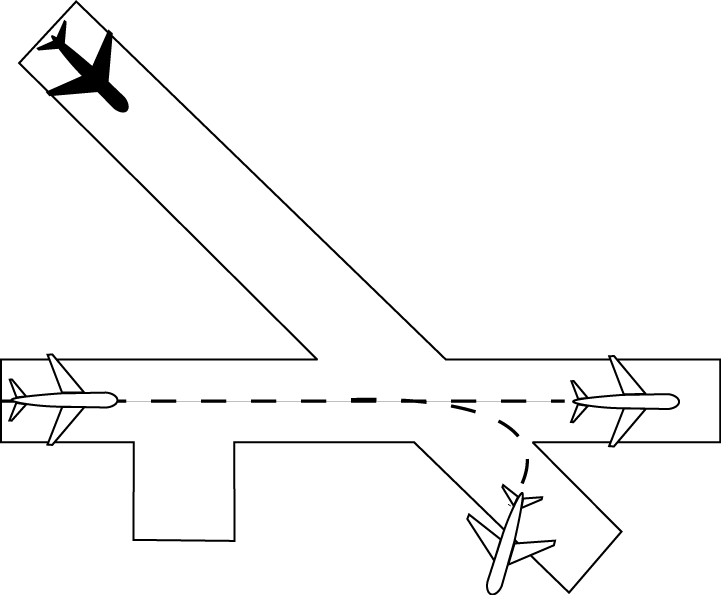
FIG 3-9-9 Intersecting Runway Separation - A preceding arriving aircraft (See FIG 3-9-10).
- Is clear of the landing runway, or
- Has completed landing roll and acknowledged the instruction to hold short of the intersection, or
- Has completed landing roll and acknowledged the instruction to exit the runway prior to intersection, or
- Has completed landing roll and is observed turning at an exit point prior to the intersection, or
- Has passed the intersection.
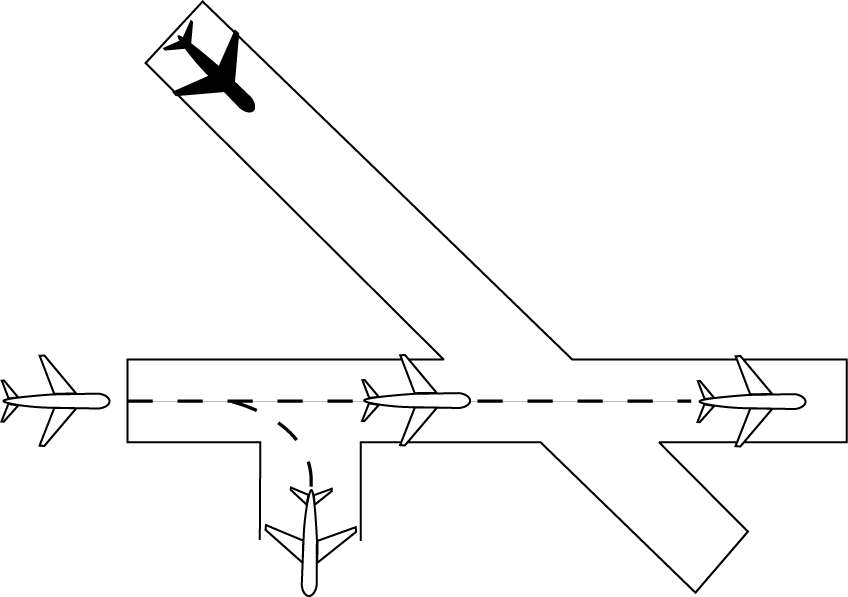
FIG 3-9-10 Intersecting Runway Separation
- USA/USAF/USN NOT APPLICABLE. An arriving aircraft has acknowledged a clearance to land and hold short of the intersecting runway/intersecting flight path being used by a departing aircraft in accordance with FAA Order JO 7110.118, Land and Hold Short Operations (LAHSO). (See FIG 3-9-11.)
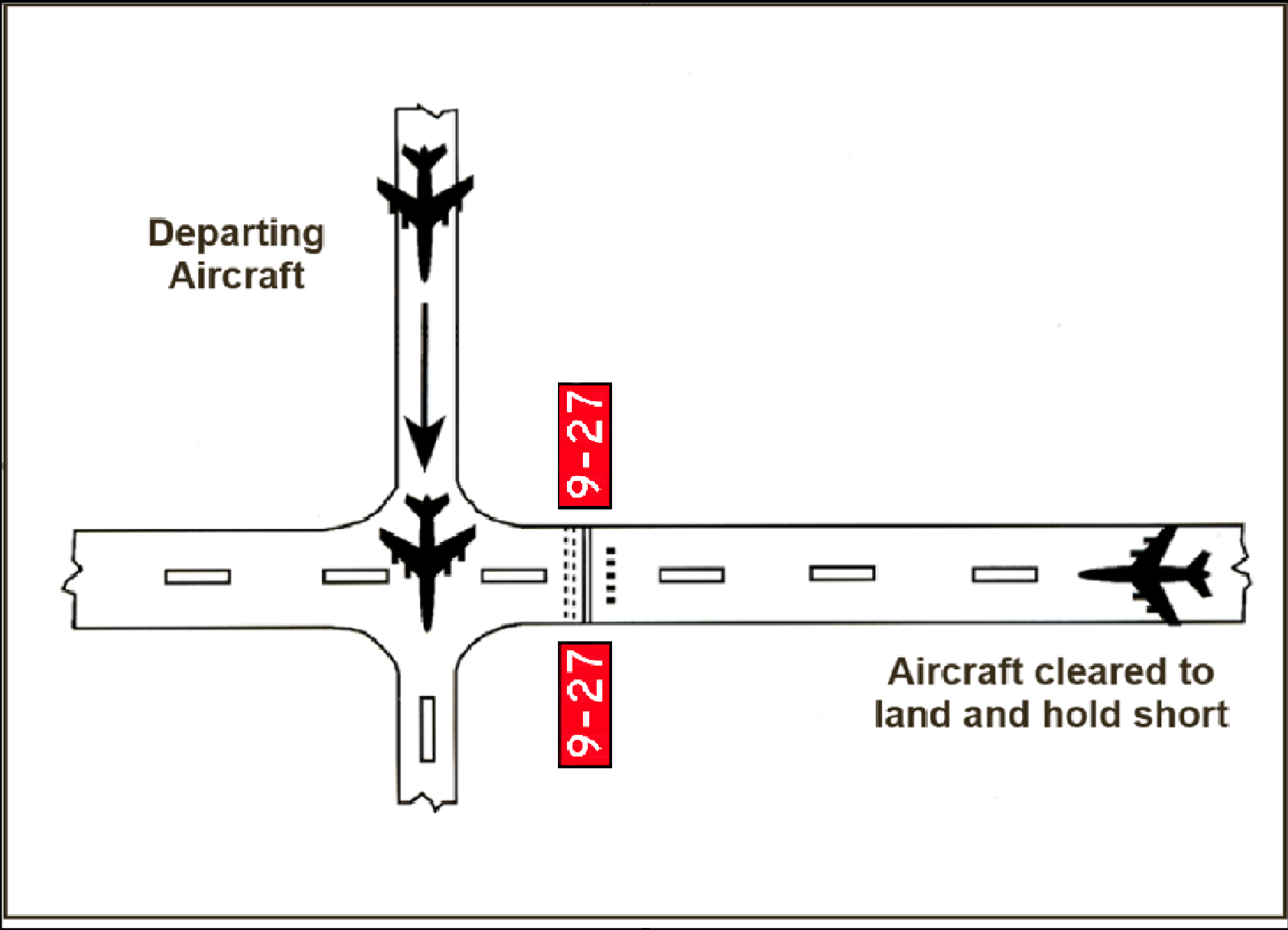
FIG 3-9-11 Intersecting Runway Separation WAKE TURBULENCE APPLICATION
- Separate aircraft taking off behind a departing or landing aircraft on an intersecting runway if flight paths will cross (see FIG 3-9-12 and FIG 3-9-13):
- Category B, C, D, E, F, G, H, or I aircraft behind Category A aircraft – 3 minutes.
- Category B, C, D, E, F, G, H, or I aircraft behind Category B or D aircraft – 2 minutes.
- Category E, F, G, H, or I aircraft behind Category C aircraft – 2 minutes.
- Category I aircraft behind Category E aircraft – 2 minutes.
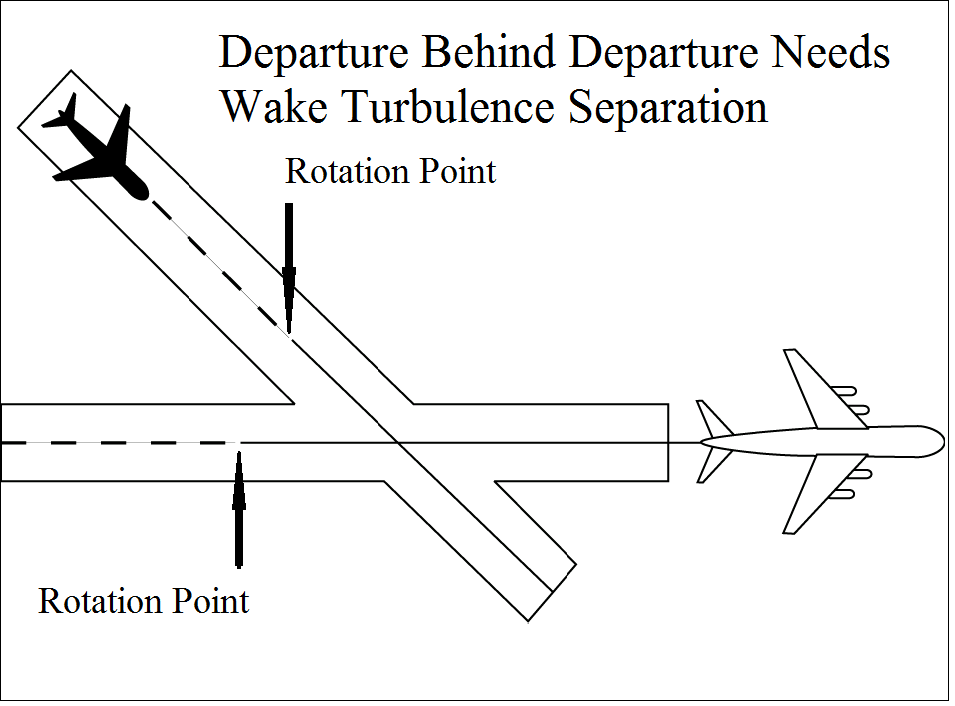
FIG 3-9-12 Departure Behind Departure on Intersecting Runway 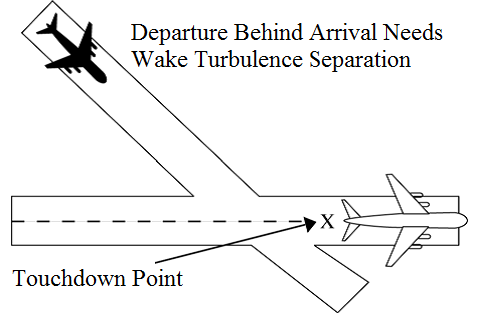
FIG 3-9-13 Departure Behind Arrival on Intersecting Runway
- Pilot requests to deviate from the required time intervals must not be approved if the preceding aircraft requires wake turbulence separation.
- The preceding aircraft has departed and passed the intersection or is turning to avert any conflict. (See FIG 3-9-9).